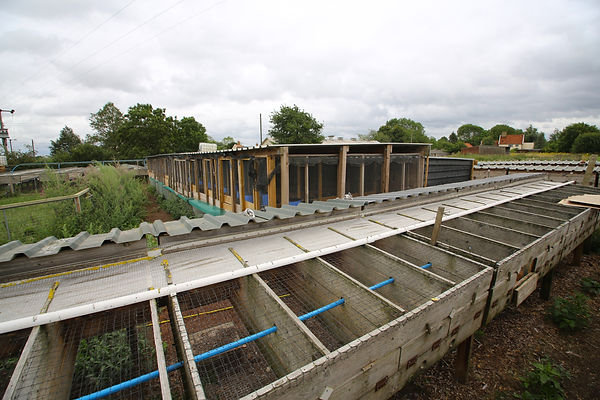
Game Bird Hatchery
At Castle Game Suffolk, our mission is to support the thriving community of game bird enthusiasts throughout the country.
Over the years, we have grown into a large operation supplying many farms, country pursuit organisations and game keepers across the country.
If you are looking to get some eggs and hatch them yourself here is a guide to follow:

Operating a Game Bird Hatchery: Best Practices for Raising Partridges
As an established business with access to a vast amount of space we have evolved into a successful game bird hatchery, with a specific focus on partridges. Whether breeding red-legged, grey partridges or pheasants, a well-managed hatchery is the foundation for producing strong, healthy birds for release, shooting preserves, or conservation programs.
Hatchery Setup
Before hatching our first eggs, we had to plan for the layout, equipment, and workflow to ensure biosecurity, efficiency, and bird health.
Key Considerations:
-
Location: We chose a quiet, biosecure area with good access to utilities and ventilation.
-
Separate Zones: We have clear zones for egg collection, incubation, hatching, brooding, and cleaning.
-
Clean Water & Power: Our operation is set up to ensure constant access to clean water and uninterrupted power for incubators and heaters.
Breeding Stock Management
Strong genetics start with quality breeding stock, decades of experience and breeding has ensured that we have the best.
Optimal Breeder Health:
-
Age & Condition: We use mature, healthy birds aged 1–2 years for best fertility rates.
-
Ratio: We maintain a proper male-to-female ratio (1:4 is typical).
-
Diet: Our birds are provided with a high-protein breeder feed with added calcium and vitamins.
-
Lighting: We use artificial light (14–16 hours/day) in the breeding season to stimulate egg laying.
Egg Collection & Storage
We handle eggs with care to maximize hatch rates.
Best Practices:
-
Frequent Collection: Eggs are collected 3–4 times daily to reduce damage and contamination.
-
Clean Gently: We remove dirt with a dry brush. Avoid washing unless absolutely necessary.
-
Storage Conditions:
-
Temperature: 55–60°F (13–16°C)
-
Humidity: 75%
-
Eggs are stored eggs pointy end down
-
-
Set Eggs Quickly: We aim to incubate within 7 days
Incubation
Experience has taught us that Partridge eggs require specific care in the incubator.
Key Parameters:
-
Temperature: 37.5°C forced air; 38°C still air
-
Humidity: 50–55% until day 21, then increase to 65–75% for hatching
-
Turning: Automatically turn eggs every 2–3 hours until day 21
-
Lockdown: Stop turning on day 21 and transfer to the hatcher
Partridges typically hatch in 23–24 days.
Hatching & Brooding
Once hatched, chicks are delicate and need attentive care.
Brooding Tips:
-
Brooder Temp: We start at 35°C and reduce by 2°C weekly
-
Feed & Water: A fresh clean supply of clean water is supplied to all our birds and a fine, high-protein starter helps them get strong
-
Bedding: We work with fine wood shavings to prevent splay leg
-
Ventilation: Our birds are provided with fresh air without drafts
-
Lighting: 24-hour light is used for the first few days, reduced gradually
Hygiene & Biosecurity
We have a high focus on hygiene and biosecurity to prevent disease through strict hygiene practices.
-
incubators and hatchers are disinfected after each use
-
Visitors to the site are limited
-
We operate with a closed flock and quarantine new or returning birds
-
We regularly test for common diseases like Newcastle and Mycoplasma